
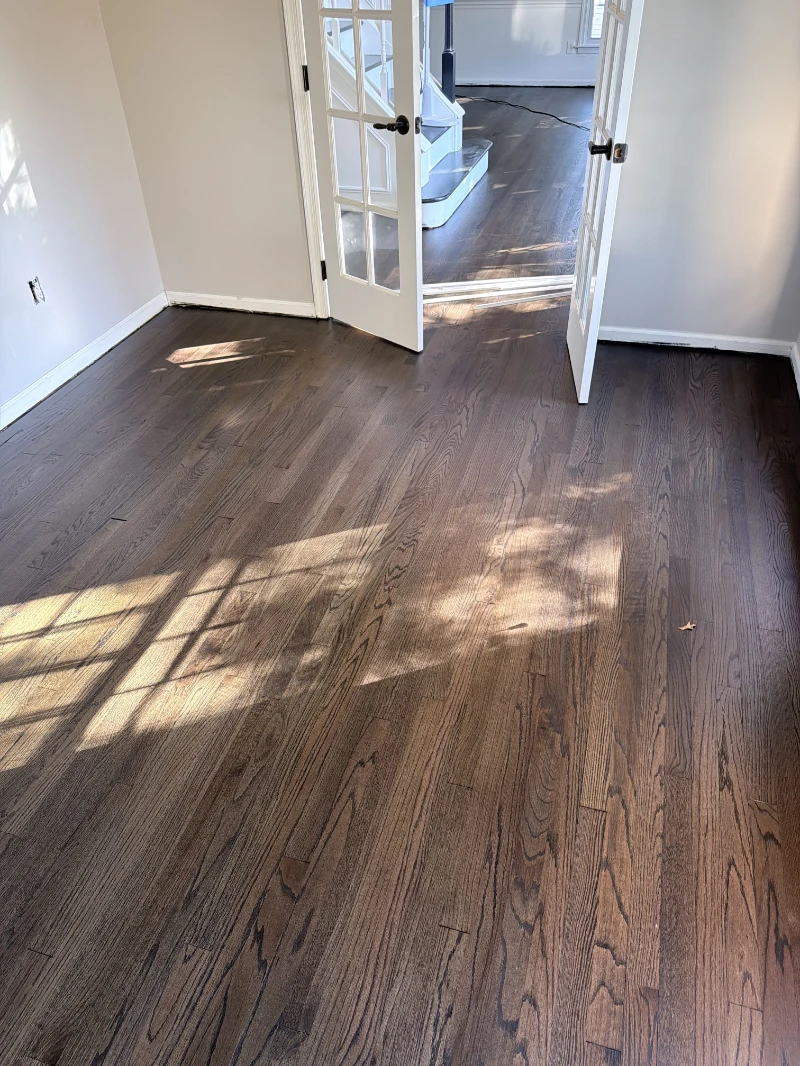
Refinishing & Sanding
Hardwood Floor Refinishing in New Jersey
Refinishing sands a wood floor back to bare wood and rebuilds the finish on top.
The EPA's Renovation, Repair and Painting rule requires certified firms and contained work practices whenever a job disturbs painted surfaces in housing built before 1978.
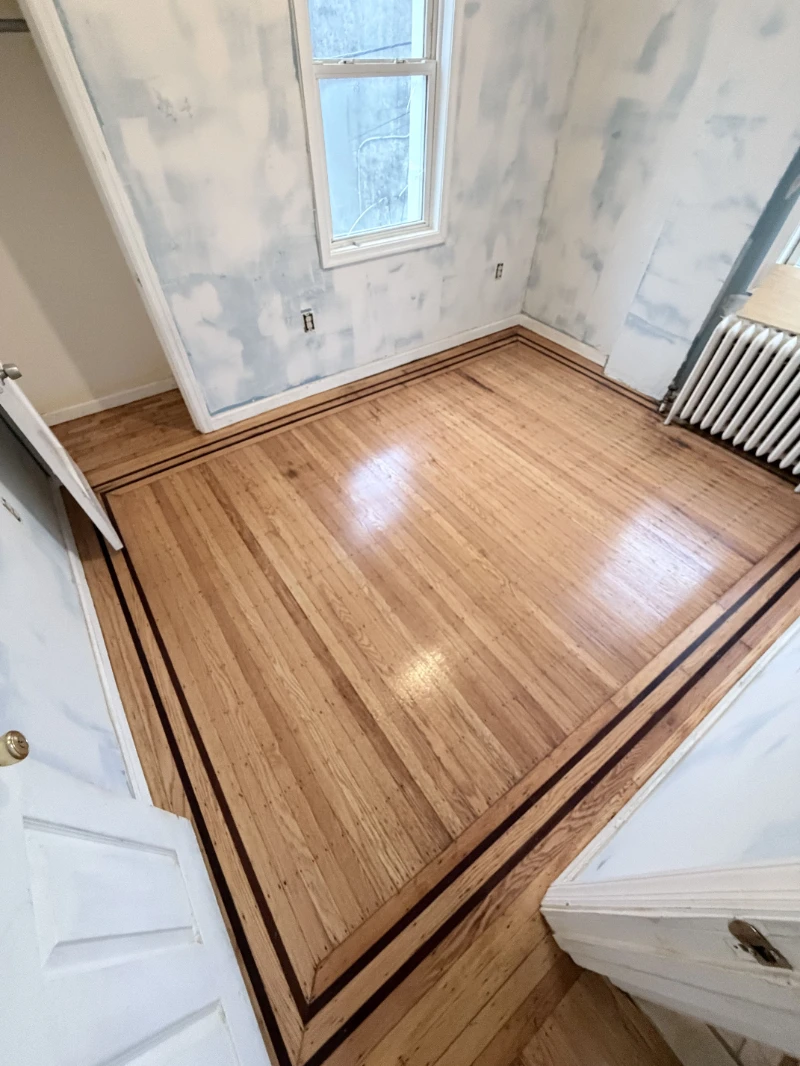
In the New Jersey towns we serve, the median share of pre-1978 housing is about 65%, and 107 of 185 towns are above 60% — so for floor work here this is the normal case, not the exception.
Housing built before 1978, plus work that disturbs painted surfaces — both conditions, not either one.
1978 is the year lead-based paint was banned for residential use in the United States. A pre-1978 house does not automatically contain lead paint, but it is treated as though it might unless testing shows otherwise.
For flooring specifically, the field of the floor is usually bare wood. The risk sits at the edges, and sanding equipment runs directly against painted trim.
Across the nine counties we serve, the pre-1978 share runs from 41.9% in Somerset to 77.9% in Union, weighted by housing units.
That is a very wide spread, and it means the answer differs by address rather than by region. Two towns twenty minutes apart can fall on opposite sides of it.
We published the figure for every town we serve so you can look up your own. The pre-1978 share is an approximation — the Census reports a 1970–1979 bracket rather than a 1978 cut, and the method is documented on the data page.
Look up your town's pre-1978 share →
A certified firm, contained work areas, specific cleaning practices and verification at the end — not simply a vacuum attached to a sander.
This is the distinction homeowners most often miss, because contractors frequently answer the lead question by describing their dust containment.
Ask two separate questions: is the firm EPA Lead-Safe certified, and how will the work area at the edges of the floor be contained and cleaned.
Check your year built on the municipal tax record, then ask the contractor directly about certification.
Your deed or title paperwork usually lists it too. It takes a minute and it determines whether the job you are buying is the job that is legally required.
It can. The rule is triggered by disturbing painted surfaces in pre-1978 housing, and floor sanding routinely disturbs painted baseboards, shoe molding and stair components.
Your municipal tax assessment record lists the year built, and your deed or title paperwork usually does as well.
No. Dust containment reduces nuisance dust. Lead-safe practice under the RRP rule is a separate regulatory requirement.
Of the nine we serve, Union is highest at 77.9% weighted by housing units, followed by Essex at 72.9%. Somerset is lowest at 41.9%.
Send photos and the town you are in. We will tell you which of this actually applies to your house.
Request a free estimateRefinishing & Sanding
Refinishing sands a wood floor back to bare wood and rebuilds the finish on top.
Refinishing & Sanding
Most articles about refinishing are written to sell refinishing.
Refinishing & Sanding
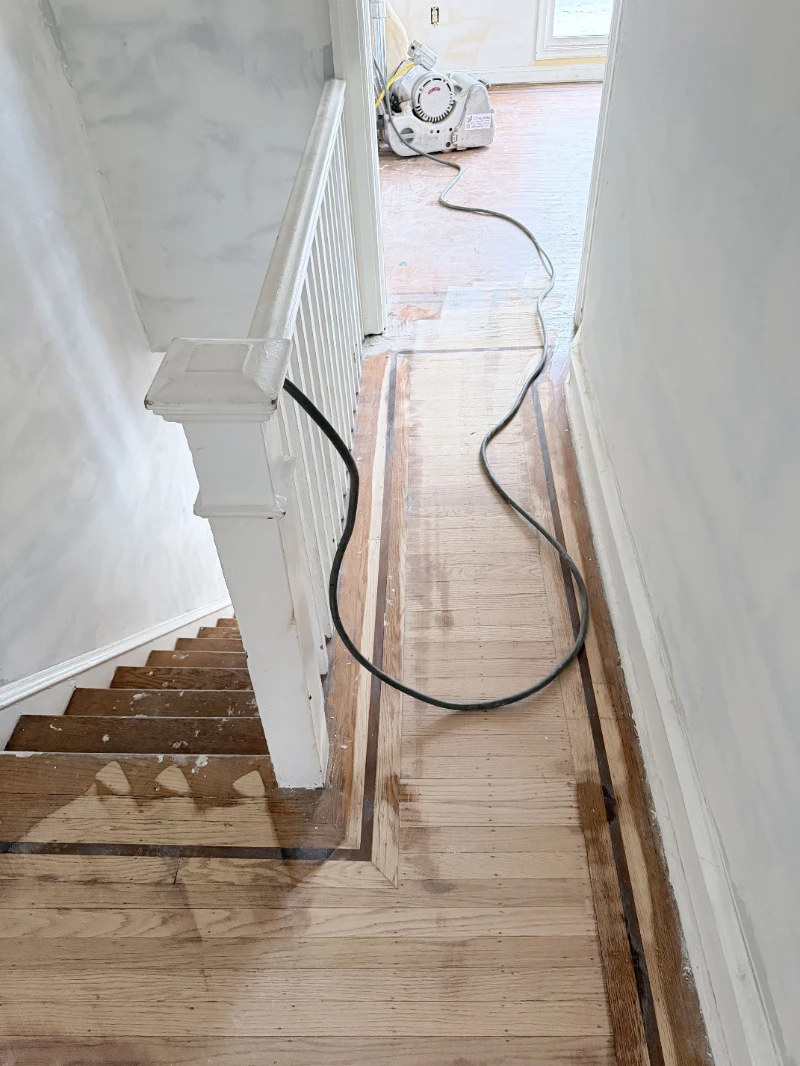
Dustless sanding runs the equipment through a vacuum and containment system, usually HEPA-filtered, so most dust is captured…